
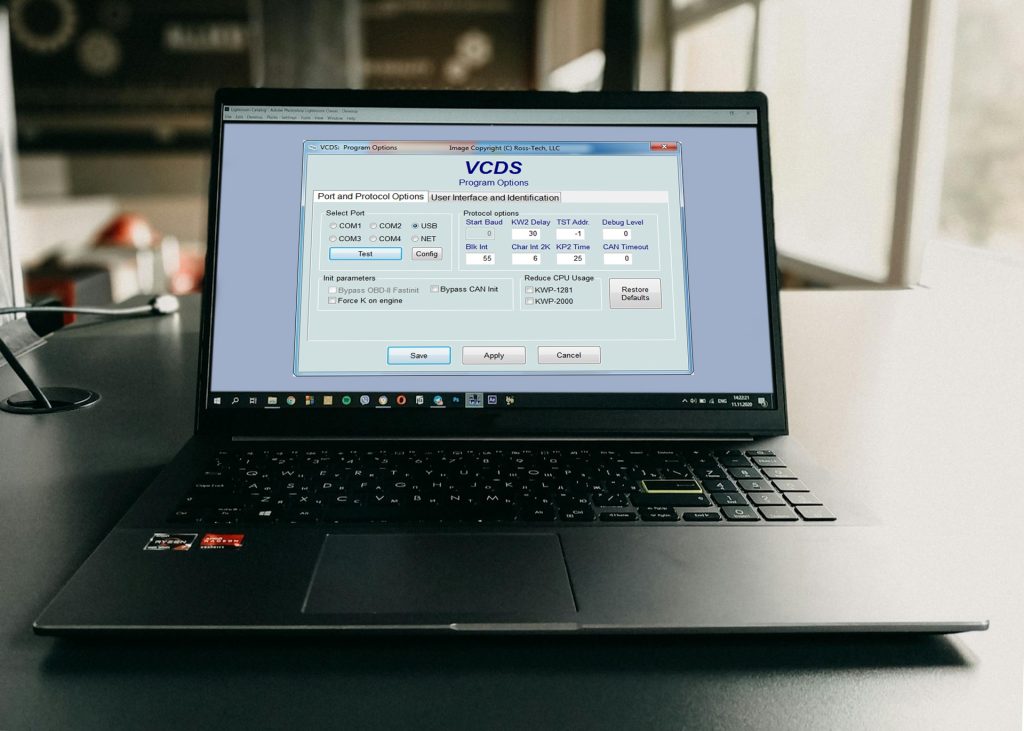
Why Battery Coding With VCDS Is Essential After a Battery Replacement
Replacing a car battery on modern Volkswagen Group vehicles (VW, Audi, Škoda, SEAT) isn’t just about swapping one power pack for another. In today’s electronic-rich vehicles, a battery coding step using the VCDS diagnostic tool is critical to ensure your car’s electrical and charging systems work properly.
What Is Battery Coding?
Battery coding (sometimes called battery registration or battery programming) is the process of informing your vehicle’s Battery Management System (BMS) that a new battery has been installed, and inputting specific data like:
✔ Battery capacity (Ah)
✔ Battery type (e.g. EFB, AGM)
✔ Battery manufacturer and serial number
This allows the car’s computer to optimise charging behaviour and manage electrical loads based on accurate battery information.
Why Modern Cars Require Battery Coding
In older vehicles, replacing a battery was as simple as pulling the old one out and snapping in a new one. However, modern cars, especially those with start-stop systems and advanced electronics, rely on a battery management system that learns and adjusts charging behaviour based on the installed battery’s characteristics.
Without coding:
- The ECU may think the old battery is still installed and continue charging as if the old, worn-out battery were present.
- Charging algorithms may apply the wrong profile, leading to undercharging or overcharging of the new battery.
- Warning lights, false error codes, or erratic start-stop behaviour can occur.
In short, coding helps the electrical system “know” what it’s dealing with, enabling intelligent power delivery and charging.
How VCDS Handles Battery Coding
The VCDS diagnostic tool from Ross-Tech allows you to connect to your vehicle’s control modules and perform battery coding via the OBD-II port. The process generally involves:
- Connecting VCDS and selecting the correct control module (usually Gateway or Battery Regulation).
- Entering battery specifications such as capacity and serial number.
- Saving the new data so the BMS recognises the replacement battery.
Many instructional videos demonstrate this step-by-step using VCDS, including how to adapt a new battery after replacement.
<iframe width=”560″ height=”315″ src=”https://www.youtube.com/embed/IJAScg6JrYI?si=W8NKjb5w0JLF2wLx” title=”YouTube video player” frameborder=”0″ allow=”accelerometer; autoplay; clipboard-write; encrypted-media; gyroscope; picture-in-picture; web-share” referrerpolicy=”strict-origin-when-cross-origin” allowfullscreen></iframe>
Benefits of Proper Battery Coding
✔ Optimal Charging & Longer Battery Life
By informing the BMS of the new battery’s specific capacity and chemistry, the alternator’s charging strategy is adjusted to avoid overcharge or undercharge, which can prematurely shorten battery life.
✔ Stable Electrical Performance
When your systems (such as infotainment, comfort electronics, and safety sensors) know which battery they have, they can rely on consistent power delivery, reducing electrical issues and warning lights triggered by misinterpretation of voltage levels.
✔ Predictable Start-Stop Function
Start-stop systems are highly sensitive to battery state of charge. If the car thinks the battery is old or weak, it may disable start-stop even if the new battery is fine, just because it wasn’t coded properly.
✔ Better Diagnostics
Proper coding resets the age and health counters in the BMS, providing technicians with a clean baseline for future diagnostics and preventing confusion from old data lingering in memory.
What Happens If You Skip Coding?
Skipping battery coding won’t always cause immediate failure; in fact, some owners report their cars run fine without it. But over time, you may notice:
- Reduced battery lifespan
- Erratic warning lights
- Erroneous fault codes
- Diminished start-stop performance
- Unnecessary alternator stress
In short, you risk reliability, battery life, and proper function of modern systems if you skip battery coding.
Battery coding with VCDS is not merely optional; it is an essential step in modern battery replacements, particularly for vehicles featuring start-stop technology and sophisticated electrical systems. It ensures that:
🔹 The BMS understands the new battery
🔹 Charging algorithms are optimised
🔹 Electrical systems communicate correctly
🔹 Battery life is maximised
For DIYers and professional techs alike, performing battery coding with VCDS should be a standard practice after replacing the battery. Skipping steps or waiting for a warning light to turn into a costly repair is rarely the best option. With a genuine VCDS diagnostic tool, you can identify issues early and replace parts with confidence. Explore our VCDS diagnostics range and put the knowledge back in your hands.
Ready to unlock full dealer-level diagnostics for VW-based vehicles? Call 0800 195 1245 or email sales@v-techuk.com to learn more about VCDS today.